By Jesús Hernández
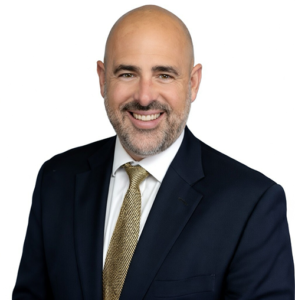
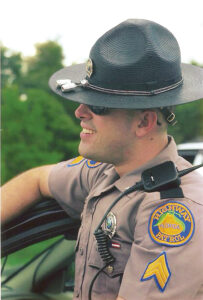
Born and raised in South Florida, Alex Annunziato is running for Miami-Dade Circuit Court Judge. Educated in Miami-Dade County Public Schools and graduated from Nova Southeastern University’s Shepard Broad Law Center, he is a former Florida State Trooper and U.S. Coast Guard Reserve officer, as well as an experienced civil litigator.
He has also served as an adjunct professor at the Miami-Dade School of Justice and devoted countless hours to pro bono work assisting underserved communities.
-What qualities do you believe are most important in a judge?
 A judge has to have fundamental qualities. They have to be dedicated to the legal profession. They have to be knowledgeable. They have to be people that are committed to understanding the very complex legal issues that come before the court. They need to be humble. I’ve seen over the years, and I’m sure other lawyers have had this experience, we’ve all been in front of judges that have lost sight of the fact that they are first and foremost servants, that they come to serve, not to be served. You have to realize that you’re there to do a public service. You’re there to render justice, to bring certainty to cases, and to ensure that people get their fair day in court and have a fair opportunity to present their cases. And then you have to have the right temperament. I was a police officer for many years before I became a lawyer. And I’ll tell you that one of the things that I learned over time is that when you give someone power or authority, it reveals a lot about their character. In many cases, on the criminal side, circuit judges hear cases that involve life and death sometimes. You need someone that has the right temperament to deal with the very emotional, the very complex, the very human issues. Of course, you need to know what the law is. One of the things that I think is very important, especially since we’re electing trial judges, the most important thing that our judges do is make decisions daily that affect the ultimate proceeding, which is trial.
-Given your experience as a Florida State Trooper, how do you think that background will shape your approach as a circuit judge?
It helps in the sense that it has definitely given me a perspective regarding how the law is applied out in the street. Police officers have to make instantaneous decisions that implicate the Constitution all the time and the constitutional protections that you and I both enjoy. And oftentimes, judges that have not had that experience. They hear testimony, they listen, but they don’t really know what it’s like to have to go out into the world and make these instantaneous decisions. It helps me understand what is going on in the real world. When an officer tells me that these are the reasons why he had to enter someone’s home without a warrant or search a car or justify the use of force. These are things that I understand. These are things that I have familiarity with. And that gives me some credibility with both attorneys and police officers. We have to judge the facts of each case. And if I ever have to rule against a decision that the police will make, they will at least know that that decision was made by someone who understands what they go through.
-The justice system is often seen as complex and difficult to navigate. What is your perspective on this?
It is a very daunting system. I would say at the level that I’m running for circuit court. We see in circuit court less pro se litigants, which is to say litigants that are representing themselves. I see that being a problem is more so in the types of cases that you don’t think about, like family cases and custody cases, even cases involving child welfare, where the state has to intervene to take a child that’s in a harmful situation. Those are very emotional cases. Those are cases in which the judges often have much more direct contact with the people that are involved in those cases. There are limitations on what you can do as a judge. They can’t give legal advice. They can’t tell people how to do certain things. But I do think it’s important that our court system make available resources to people that want to get through some of the more difficult but more common types of cases that we deal with in circuit court, like simplified divorces and things like that. Evictions, things that we deal with on a day-to-day basis, or we see in circuit court. I think it’s important that the system be accessible to the public. The County does a very good job, but I also think that we’ve got to do a better job of making filings available, forms available. We have to give more resources to people so that they can represent themselves, give them information. We need to make access to the courts through filings and things like that much more accessible.
Alex Annunziato: “Un juez necesita comprender cuestiones legales muy complejas”
Por Jesús Hernández
Nacido y criado en el sur de Florida, Alex Annunziato apuesta por ser elegido juez de la Corte del Circuito de Miami-Dade. Educado en las Escuelas Públicas del Condado de Miami-Dade y graduado de Nova Southeastern University Shepard Broad College of Law, es un exagente de la Policía Estatal de Florida y oficial de la Reserva de la Guardia Costera de los Estados Unidos, además de un experimentado litigante civil.
También se ha desempeñado como profesor adjunto en la Miami-Dade School of Justice y ha dedicado incontables horas a trabajo pro-bono en apoyo de personas necesitadas.
– ¿Qué cualidades considera que son más importantes en un juez?
 Un juez tiene que poseer cualidades fundamentales. Debe estar comprometido con la profesión jurídica. Debe ser una persona con conocimientos. Debe ser alguien comprometido con comprender las cuestiones legales muy complejas que llegan ante el tribunal. Debe ser humilde. Con los años he visto, y estoy seguro de que otros abogados han tenido la misma experiencia, que todos hemos estado frente a jueces que han perdido de vista el hecho de que, ante todo, son servidores públicos; que están ahí para servir, no para ser servidos. Uno tiene que entender que está allí para prestar un servicio público, para impartir justicia, para dar certeza a los casos y para garantizar que las personas tengan su día justo en la corte y una oportunidad equitativa de presentar sus casos. Y también se necesita el temperamento adecuado. Fui oficial de policía durante muchos años antes de ser abogado. Y puedo decir que una de las cosas que aprendí con el tiempo es que cuando se le da poder o autoridad a alguien, eso revela mucho sobre su carácter. En muchos casos, en el ámbito penal, los jueces de circuito conocen casos que a veces implican vida o muerte. Se necesita alguien con el temperamento adecuado para manejar asuntos muy emocionales, muy complejos y humanos. Por supuesto, es necesario conocer la ley. Una de las cosas que considero muy importante, especialmente porque estamos eligiendo jueces de primera instancia, es que lo más importante que hacen nuestros jueces es tomar decisiones diarias que afectan el proceso final, que es el juicio.
-Dada su experiencia como agente de la Policía Estatal de Florida, ¿cómo cree que ese trasfondo influirá en su enfoque como juez de circuito?
Ayuda en el sentido de que definitivamente me ha dado una perspectiva sobre cómo se aplica la ley en la calle. Los oficiales de policía tienen que tomar decisiones instantáneas que implican la Constitución todo el tiempo, las protecciones constitucionales de las que usted y yo disfrutamos. Y a menudo, los jueces que no han tenido esa experiencia escuchan testimonios, escuchan, pero realmente no saben lo que es tener que salir a la calle y tomar decisiones instantáneas. Me ayuda a entender lo que ocurre en el mundo real. Cuando un oficial me dice cuáles fueron las razones por las que tuvo que entrar a una casa sin una orden judicial, o registrar un vehículo, o justificar el uso de la fuerza, son cosas que yo entiendo, con las que estoy familiarizado. Y eso me da credibilidad tanto con los abogados como con los oficiales de policía. Tenemos que juzgar los hechos de cada caso. Y si alguna vez tengo que fallar en contra de una decisión de la policía, al menos sabrán que esa decisión fue tomada por alguien que entiende por lo que ellos pasan.
-El sistema de justicia a menudo se percibe como complejo y difícil de navegar. ¿Cuál es su perspectiva al respecto?
Es un sistema muy desafiante. Diría que, en el nivel al que estoy aspirando como juez de circuito, vemos menos litigantes pro se, es decir, personas que se representan a sí mismas. Veo que esto es más un problema en tipos de casos en los que uno no piensa, como asuntos de familia y custodia, incluso casos de bienestar infantil, donde el Estado tiene que intervenir para sacar a un niño de una situación perjudicial. Son casos muy emocionales, en los que los jueces a menudo tienen un contacto mucho más directo con las personas involucradas. Existen limitaciones sobre lo que un juez puede hacer: no pueden dar asesoramiento legal ni decirles a las personas cómo hacer ciertas cosas. Pero creo que es importante que nuestro sistema judicial ponga a disposición recursos para las personas que intentan manejar algunos de los tipos de casos más difíciles, pero también más comunes que vemos en la corte de circuito, como divorcios simplificados y cosas de ese tipo. Desalojos, cosas que tratamos a diario en la corte de circuito. Creo que es importante que el sistema sea accesible al público. El Condado hace un muy buen trabajo, pero también creo que debemos mejorar la disponibilidad de formularios y de información. Tenemos que dar más recursos a las personas para que puedan representarse a sí mismas, brindarles información. Necesitamos hacer que el acceso a los tribunales, a través de presentaciones y otros mecanismos, sea mucho más accesible.