Jesús Hernández
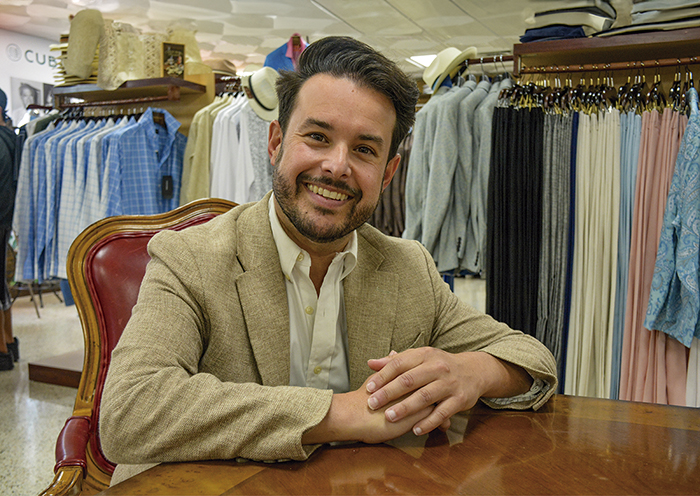
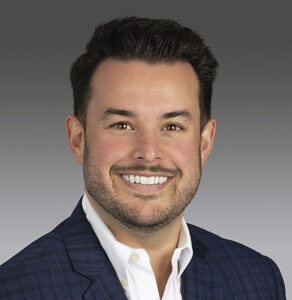
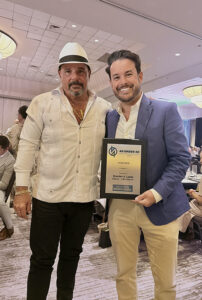
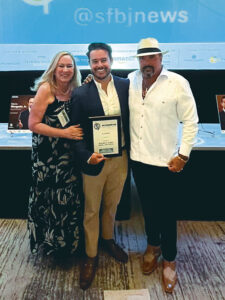
Among the South Florida Business Journal’s 40 Under 40 Class of 2026 is Branden López, CPA, who has been recognized as one of the region’s most influential young executives.
López earned a double major in finance and accounting from Florida State University and passed all four sections of the CPA examination. He now serves as Managing Director at CBIZ, one of the nation’s leading professional services companies.
-You have been recognized in your own hometown of Miami. What does Miami mean to you, personally and professionally?
 Miami is a special place for me because I was born here. I grew up in Westchester, right by Tropical Park. My parents and grandparents were born in Cuba. Seeing them having to start all over in Miami impacted me growing up. They had to build a life and a career from scratch, and I wanted to make sure I could follow in their footsteps. I knew that I would build a career and family in Miami.
I model the life that my father built in Miami, and he always said, «Do what you love. Because if you love what you do, it’s not a job.»
– What led you into accounting and eventually become a CPA?
Numbers always made sense to me, so I decided to do a double major in finance and accounting. Since Miami has always been home, I knew this is where I wanted to start my career. As an accountant, I’m able to learn from other businesses, see what they do well, and learn from their mistakes. From that, I’ve been fortunate enough to formulate my own path.
-What was your first job after college?
I wanted to focus on obtaining my CPA license, since it is a year-long process, including four exams. I got a part-time job working for my father’s accountant, while focusing on the CPA exams. I would study on weeknights and on the weekends at the FIU library.
Then I had my first opportunity working at a local CPA firm in Coral Gables, and I was able to learn the ropes from them.
-What has been the biggest turning point in your career so far?
After three years of learning from the partners at the local public accounting firm in the Gables, I was approached by CBIZ.
That was a hard decision for me. I had built a really strong relationship with the team there, and they had given me my start. I had learned so much from the partners there.
 I was comfortable, and putting myself in an uncomfortable situation was not natural for me at the time. So when the opportunity with CBIZ came along, I was genuinely torn. It wasn’t about leaving something behind; it was about wondering if I was ready for what came next.
Looking back, it was the best decision I could have made, because it pushed me to grow in ways I couldn’t have at that stage. Now I’m working across different industries and engagements, I’ve had the chance to travel, and I’ve built strong relationships with my team. I’ll always be grateful for where I started.
-You’ve been in contact with businesses across the US. What do you think outsiders misunderstand about Miami-business community?
There’s a real misunderstanding of what Miami is about. Outsiders tend to picture the biggest party in the world, nightlife, clubbing, glamour and that’s such an incomplete picture. What they don’t see is that Miami is built by people from all over the world who came here to build something for themselves, the same way my own family did. That shared experience creates a real warmth and sense of community, even as the city keeps growing. Yes, it’s a big, fast-growing city, but underneath that, it still runs on family, loyalty, and culture — and that’s what actually drives the business community here, not the party scene people picture.
-You’ve watched Miami’s economy change dramatically. What do you think is the biggest economic transformation you’ve seen?
Obviously, construction comes to mind, Miami has always been a big commercial industry. But I’d say the real acceleration has happened in the last three to five years. You’ve had companies and businesspeople from other cities moving into Miami, and they’re not just bringing their businesses, they’re bringing their knowledge, their expertise, and their capital. That’s opened up funding for industries here that couldn’t access it before. Citadel moving into Brickell is a perfect example: it’s not just the company, it’s all the employees and investors in that ecosystem who came with it, and that’s brought a whole new wave of opportunity to the city.
-What does Miami need to do to remain competitive with other major U.S. cities?
We need more infrastructure, like roads and transportation, and everything that feeds into that. With this influx of people moving here, we need the resources to match it: good schools for their kids, reliable transportation, and the everyday services families depend on. Right now, we just don’t have it at the capacity that’s needed.
-What advice would you give to a young Miami professional starting out today?
Positive attitude and hard work. You’re going to experience struggles. You’re going to experience people telling you no, even if you do everything the right way. There will be times when you’ve done everything right and it still doesn’t work out, but you can’t stop. You still have to have that positive mindset to continue moving forward, because eventually, that routine and those actions of doing things the right way and working hard will pay off.
-What do you wish you had known at 25 that you know now?
Putting yourself in an uncomfortable situation is the only way you can really learn and grow. At 25, I thought growth meant getting good at what I already knew, staying in my lane and doing it well. But the moments that actually changed me were the ones where I had no idea what I was doing and had to figure it out anyway. Looking back, every time I pushed through that discomfort, whether it was taking on a new role, an industry I didn’t know, or a decision I wasn’t sure about, that’s where the real growth happened.
If I could tell my 25 year old self one thing, it would be to stop waiting to feel ready. You’re not supposed to feel ready.
Branden A. López: «Una actitud positiva y trabajo duro para seguir avanzando»
Entre los elegidos en el South Florida Business Journal’s 40 Under 40 Class of 2026 se encuentra Branden A. López, CPA, reconocido como uno de los jóvenes ejecutivos más influyentes de la región.
López obtuvo una doble licenciatura en Finanzas y Contabilidad de Florida State University y aprobó los cuatro exámenes para obtener la licencia de CPA. Actualmente se desempeña como Managing Director en CBIZ, una de las principales empresas de servicios profesionales de Estados Unidos.
—Ha sido reconocido en su propia ciudad, Miami. ¿Qué significa Miami para usted, tanto en lo personal como en lo profesional?
Miami es un lugar especial para mí porque nací aquí. Crecí en Westchester, cerca de Tropical Park. Mis padres y mis abuelos nacieron en Cuba. Ver cómo tuvieron que comenzar de nuevo en Miami tuvo un gran impacto en mí durante mi infancia. Tuvieron que construir una vida y una carrera desde cero, y yo quería asegurarme de poder seguir sus pasos. Sabía que construiría mi carrera y formaría mi familia en Miami.
Tomo como modelo la vida que mi padre construyó en Miami, y él siempre decía: «Haz lo que amas. Porque si amas lo que haces, no es un trabajo».
—¿Qué lo llevó a estudiar contabilidad y finalmente convertirse en CPA?
Los números siempre tuvieron sentido para mí, así que decidí cursar una doble especialización en Finanzas y Contabilidad. Como Miami siempre ha sido mi hogar, sabía que aquí quería comenzar mi carrera. Como contador, tengo la oportunidad de aprender de otras empresas, ver qué hacen bien y aprender de sus errores. A partir de esas experiencias, he tenido la fortuna de poder forjar mi propio camino.
 —¿Cuál fue su primer trabajo después de la universidad?
Quería concentrarme en obtener mi licencia de CPA, ya que es un proceso que dura aproximadamente un año e incluye cuatro exámenes. Conseguí un trabajo a tiempo parcial con el contador de mi padre, mientras me preparaba para los exámenes de CPA. Estudiaba durante las noches entre semana y los fines de semana en la biblioteca de FIU.
Después tuve mi primera oportunidad en una firma de contabilidad pública en Coral Gables, donde pude aprender de ellos los fundamentos del oficio.
—¿Cuál ha sido hasta ahora el mayor punto de inflexión en su carrera?
Después de tres años aprendiendo de los socios de la firma local de contabilidad pública en Coral Gables, CBIZ se puso en contacto conmigo.
Fue una decisión difícil. Había construido una relación muy sólida con el equipo y ellos me habían dado mi primera oportunidad. Había aprendido muchísimo de ellos.
Me sentía cómodo, y en aquel momento no era natural para mí ponerme en una situación incómoda. Por eso, cuando surgió la oportunidad con CBIZ, realmente estaba dividido. No se trataba de dejar algo atrás, sino de preguntarme si estaba preparado para lo que venía.
Mirando hacia atrás, fue la mejor decisión que pude haber tomado, porque me impulsó a crecer de maneras que en esa etapa no habría podido. Ahora trabajo con diferentes industrias y proyectos, he tenido la oportunidad de viajar y he construido relaciones sólidas con mi equipo. Siempre estaré agradecido por el lugar donde comencé.
—Ha estado en contacto con empresas de todo Estados Unidos. ¿Qué cree que las personas de fuera de Miami no entienden sobre la comunidad empresarial de la ciudad?
Existe un verdadero malentendido sobre lo que es Miami. Quienes están fuera suelen imaginar la mayor fiesta del mundo, la vida nocturna, los clubes y el glamour, y esa es una imagen muy incompleta. Lo que no ven es que Miami ha sido construida por personas de todo el mundo que llegaron aquí para crear algo por sí mismas, de la misma manera que lo hizo mi propia familia.
Esa experiencia compartida genera una verdadera calidez y un fuerte sentido de comunidad, incluso mientras la ciudad continúa creciendo. Sí, es una ciudad grande y de rápido crecimiento, pero debajo de todo eso todavía funciona sobre la base de la familia, la lealtad y la cultura, y eso es lo que realmente impulsa a la comunidad empresarial de aquí, no la imagen de fiesta que muchas personas tienen de Miami.
—Ha sido testigo de cambios importantes en la economía de Miami. ¿Cuál cree que ha sido la mayor transformación económica que ha visto?
Obviamente, la construcción viene a la mente. Miami siempre ha tenido una gran actividad en ese sector. Pero diría que la verdadera aceleración se ha producido en los últimos tres a cinco años.
Hemos visto empresas y empresarios de otras ciudades trasladarse a Miami, y no solo están trayendo sus negocios, sino también sus conocimientos, experiencia y capital. Eso ha abierto nuevas posibilidades de financiamiento para sectores que antes no tenían acceso a ellas.
La llegada de Citadel a Brickell es un ejemplo perfecto. No se trata solamente de la empresa, sino de todos los empleados e inversionistas de ese ecosistema que llegaron con ella, y eso ha generado una nueva ola de oportunidades para la ciudad.
—¿Qué necesita Miami hacer para seguir siendo competitiva frente a otras grandes ciudades de Estados Unidos?
Necesitamos más infraestructura, como carreteras y transporte, además de todo lo que está relacionado con ello. Con esta llegada masiva de personas, necesitamos recursos que estén a la altura: buenas escuelas para sus hijos, transporte confiable y los servicios cotidianos de los que dependen las familias.
En este momento, sencillamente no contamos con la capacidad que se necesita.
—¿Qué consejo le daría hoy a un joven profesional de Miami que está comenzando su carrera?
Una actitud positiva y trabajo duro. Vas a enfrentar dificultades. Habrá personas que te dirán que no, incluso cuando hagas todo correctamente. Habrá momentos en los que hayas hecho todo bien y, aun así, las cosas no salgan como esperabas, pero no puedes detenerte.
Tienes que mantener esa actitud positiva para seguir avanzando, porque, con el tiempo, la constancia y esas acciones de hacer las cosas correctamente y trabajar duro darán sus frutos.
—¿Qué le habría gustado saber a los 25 años que sabe ahora?
Ponerte en situaciones incómodas es la única manera de realmente aprender y crecer. A los 25 años, pensaba que crecer significaba ser bueno en lo que ya sabía hacer, mantenerme dentro de mi área y hacerlo bien.
Pero los momentos que realmente me cambiaron fueron aquellos en los que no tenía idea de lo que estaba haciendo y, aun así, tenía que encontrar la manera de resolverlo.
Mirando hacia atrás, cada vez que atravesé esa incomodidad, ya fuera al asumir un nuevo puesto, trabajar en una industria que no conocía o tomar una decisión sobre la que no estaba seguro, fue precisamente ahí donde se produjo el verdadero crecimiento.
Si pudiera decirle una sola cosa a mi yo de 25 años, sería que dejara de esperar a sentirse preparado. Se supone que no debes sentirte preparado.