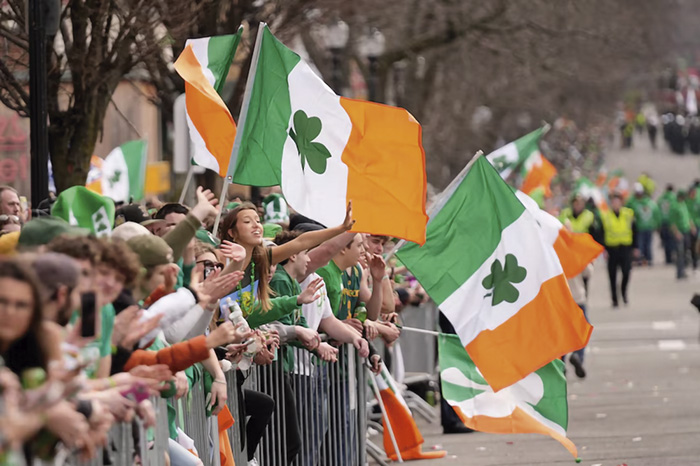
Every March 17, millions of people around the world wear green, display shamrocks, and take part in the vibrant festivities of St. Patrick’s Day. What began as a religious feast honoring Ireland’s patron saint has grown into one of the most globally recognized cultural celebrations. The holiday is not merely about parades and symbols; it is a powerful expression of historical identity that has transcended borders and generations.
Historical Foundations
St. Patrick was born in the late fourth century in Roman Britain. At sixteen, he was kidnapped by Irish raiders and enslaved in Ireland. For six years he worked as a shepherd, a period during which he deepened his Christian faith. After escaping and returning home, he later chose to go back to Ireland as a missionary.
He is credited with playing a central role in spreading Christianity throughout Ireland. According to tradition, he used the three-leaf shamrock to explain the Holy Trinity — a simple yet powerful teaching tool that became a lasting national symbol. His death, believed to have occurred on March 17 around the year 461, became the foundation of the annual observance.
For centuries, St. Patrick’s Day in Ireland remained primarily a religious feast day marked by church services and family gatherings. Pubs were once legally required to close on that date, reflecting its sacred character.
The Irish Diaspora and Cultural Expansion
 The transformation of St. Patrick’s Day into a global celebration was largely driven by the Irish diaspora. During the 18th and 19th centuries, particularly following the Great Famine, millions of Irish emigrated to countries such as the United States, Canada, and Australia.
In New York City, Irish immigrants organized parades as early as 1762, establishing what would become one of the largest annual celebrations in the world. In Chicago, the tradition of dyeing the river green began in 1962 and remains a spectacular symbol of the day.
Interestingly, many of the modern festive elements associated with St. Patrick’s Day developed outside Ireland. For immigrant communities, the holiday became a declaration of pride and unity during times when they faced discrimination and hardship.
Ireland’s Modern Festival
In contemporary Ireland, especially in Dublin, St. Patrick’s Day has evolved into a multi-day cultural festival featuring music, art, theater, and community events. It balances religious heritage with vibrant public celebration, attracting visitors from around the globe.
Through the “Global Greening” initiative, iconic landmarks worldwide are illuminated in green, including the Empire State Building and the Sydney Opera House, symbolizing the far-reaching influence of Irish culture.
Symbols and Cultural Meaning
Green represents Ireland’s lush landscapes and its nickname, the Emerald Isle. The shamrock symbolizes faith and heritage. The leprechaun, drawn from Irish folklore, adds a playful dimension associated with luck and mythical treasure.
Traditional Irish music — featuring fiddles, bagpipes, and drums — fills the streets during parades. Irish step dancing showcases rhythm and discipline, reinforcing the strong artistic roots of the culture.
A Living Tradition
While in many places the celebration carries a festive and commercial tone, at its core St. Patrick’s Day reflects resilience and cultural continuity. It honors a people who preserved their heritage across continents and generations.
Each March 17, the story of Ireland is retold — not only in churches and history books, but in public squares, family gatherings, and shared celebrations worldwide. St. Patrick’s Day stands as a reminder that traditions survive not simply through memory, but through collective joy, pride, and renewal.
Día de San Patricio: Historia, legado y celebración de una tradición que conquistó al mundo
Cada 17 de marzo, millones de personas alrededor del planeta se visten de verde, levantan tréboles y celebran el Día de San Patricio. Lo que en sus inicios fue una conmemoración religiosa en honor al santo patrono de Irlanda, con el paso de los siglos se transformó en una de las festividades culturales más reconocidas y celebradas a nivel mundial. Esta fecha representa mucho más que desfiles y símbolos folclóricos: es la expresión viva de una identidad histórica que logró trascender fronteras.
Los orígenes históricos
San Patricio nació alrededor del año 385 en Britania, territorio que entonces formaba parte del Imperio Romano. A los 16 años fue capturado por piratas irlandeses y llevado a Irlanda como esclavo. Durante seis años trabajó como pastor, experiencia que marcaría profundamente su vida espiritual. Tras lograr escapar y regresar con su familia, años después decidió volver a Irlanda como misionero cristiano.
La tradición sostiene que fue el principal evangelizador del pueblo irlandés. Para explicar el misterio de la Santísima Trinidad utilizaba el trébol de tres hojas, conocido como “shamrock”, que desde entonces quedó vinculado a su figura y se convirtió en símbolo nacional. Su fallecimiento se conmemora el 17 de marzo del año 461, fecha que dio origen a la celebración.
Durante siglos, la jornada fue estrictamente religiosa. En Irlanda se celebraban misas solemnes y reuniones familiares en un ambiente de recogimiento. Incluso, durante mucho tiempo, las tabernas permanecían cerradas por tratarse de una festividad litúrgica.
La diáspora irlandesa y la expansión global
 El giro cultural de la celebración comenzó con la gran emigración irlandesa del siglo XVIII y especialmente del siglo XIX, impulsada por la Gran Hambruna. Miles de familias partieron hacia Estados Unidos, Canadá, Australia y otras regiones en busca de mejores oportunidades.
En ciudades como Nueva York, el Día de San Patricio se convirtió en una expresión pública de orgullo étnico. El desfile de Nueva York, iniciado en 1762, es considerado uno de los más antiguos del mundo. En Chicago, la tradición de teñir el río de verde comenzó en 1962 y hoy es uno de los eventos más emblemáticos de la jornada.
Paradójicamente, muchas de las tradiciones modernas nacieron fuera de Irlanda. La comunidad migrante utilizó la fecha como una forma de afirmar su identidad frente a la discriminación y la marginalización que enfrentaban en sus nuevos países.
Irlanda y su celebración contemporánea
En Irlanda, la festividad evolucionó durante el siglo XX hacia un evento cultural y turístico de gran escala. La ciudad de Dublín organiza un festival que dura varios días, con espectáculos musicales, exhibiciones culturales y actividades familiares que combinan tradición y modernidad.
Hoy el país ha convertido la fecha en una plataforma para proyectar su imagen internacional. Monumentos emblemáticos en todo el mundo se iluminan de verde como parte de la iniciativa global conocida como “Global Greening”, incluyendo el Empire State Building y la Ópera de Sídney.
Símbolos que cuentan historias
El verde representa los paisajes irlandeses y su apodo de “Isla Esmeralda”. El trébol simboliza fe y tradición. El leprechaun, figura del folclore celta asociada con la buena fortuna y los tesoros ocultos, añade un matiz festivo y popular.
La música tradicional irlandesa, interpretada con violines, gaitas y tambores, forma parte esencial de la identidad cultural. Las danzas celtas, con su característico zapateo rítmico, también son protagonistas de los festivales.
Más allá del folclore
Aunque en muchos países la celebración adquiere un tono festivo y comercial, su esencia remite a la resiliencia de un pueblo que supo mantener viva su cultura aun en medio de la adversidad. El Día de San Patricio simboliza la fuerza de la identidad colectiva y la capacidad de una tradición para reinventarse sin perder sus raíces.
Cada 17 de marzo, la historia de Irlanda se cuenta nuevamente, no solo en templos y museos, sino en calles, plazas y hogares de todo el mundo. Es una celebración que une pasado y presente, fe y cultura, memoria y alegría compartida.