By Jesús Hernández
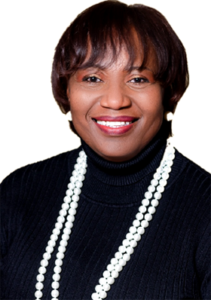
Bonita Jones-Peabody is a candidate for Judge of the Florida 11th Judicial Circuit Court in Miami-Dade County, Group 69. She earned her Juris Doctor degree from the University of Miami School of Law in 1990.
Ms. Jones-Peabody has developed extensive experience in criminal defense, government, family law, and elder law. She began her legal career as an Assistant Public Defender in Miami-Dade County and has continued serving the community through her private legal practice in Miami.
 -What first drew you to the legal profession?
I’m one of seven children, and I grew up smack in the middle of five boys. My father, who came to Miami from Alabama seeking opportunities, was a very, very, very sweet soul, but I had to build my case, showing my father the evidence when my brothers complained about me. It caused my brothers to call me Perry Mason and instilled a desire in me to be a lawyer.
-What qualities do you believe make someone a good judge?
Someone who listens to the evidence, to what people are saying, and listens even to what is not said. A good judge has to be one who can put aside any biases that they may have in order to really seek out the truth. Sometimes truth is hidden and people don’t even realize that they’ve hidden it. A good judge has to be someone who sees and understands that many times what’s written on the paper is not the end of the story.
-What were the most significant challenges and rewards during your legal career?
I’ve always had challenges in the profession. While taking care of my family, I also wanted to make sure that my clients were taken care of. As far as the rewards that I’ve had in my legal career are the hundreds of attorneys that I’ve trained who’ve gone out into the community and done exciting and wonderful work. My reward is having attorneys that I’ve trained to reach back to thank me and to even pull me into some of the cases that they’re trying because they want me to be on it.
–How has Miami’s diversity influenced your work as an attorney?
Judges that sit in judgment of the people of Miami ought to understand the diversity of this community and the cultures of this community and appreciate them. You should be curious enough, interested enough to find out about the culture of the people that make up this beautiful, diverse community that we serve in. And it’s beautiful, all the diversity and the complexities of it. It has shaped me in many different ways. My father learned a little bit of Spanish and based on that little bit of Spanish that he knew my name became Bonita.
-What legacy do you hope to leave for future lawyers and judges?
I hope that, when they think of my name, they will think of justice for every neighborhood, justice for everyone. It’s what our Constitution says, “We the people,” in order to form a more perfect union, establish justice, tranquility, and provide for the common defense. And I would hope that my legacy would say that I was fair, that I listened, that nobody got dismissed. But people were seen, they were heard, and they were respected and treated with dignity.
Bonita Jones-Peabody: “Debemos comprender la diversidad de esta comunidad”
Por Jesús Hernández
Bonita Jones-Peabody es candidata a jueza del Tribunal del 11º. Circuito Judicial de Florida en el Condado de Miami-Dade, Grupo 69. Obtuvo su título de Juris Doctor en la Facultad de Derecho de la Universidad de Miami en 1990.
La Sra. Jones-Peabody ha desarrollado una amplia experiencia en defensa penal, gobierno, derecho de familia y derecho de adultos mayores. Inició su carrera legal como Asistente del Defensor Público en el Condado de Miami-Dade y ha continuado sirviendo a la comunidad a través de su práctica legal privada en Miami.
—¿Qué fue lo que primero la atrajo a la profesión legal?
Soy una de siete hijos y crecí justo en medio de cinco hermanos varones. Mi padre, quien llegó a Miami desde Alabama en busca de oportunidades, era un alma muy, muy, muy dulce, pero yo tenía que presentar mi caso, mostrándole a mi padre las pruebas cuando mis hermanos se quejaban de mí. Eso hizo que mis hermanos me llamaran Perry Mason y despertó en mí el deseo de ser abogada.
—¿Qué cualidades cree que hacen que alguien sea un buen juez?
Alguien que escuche las pruebas, que escuche lo que las personas dicen e incluso que preste atención a lo que no se dice. Un buen juez debe ser capaz de dejar a un lado cualquier prejuicio que pueda tener para realmente buscar la verdad. A veces la verdad está oculta y las personas ni siquiera se dan cuenta de que la ocultan. Un buen juez debe ser alguien que vea y comprenda que muchas veces lo que está escrito en un documento no es el final de la historia.
—¿Cuáles fueron los desafíos y las recompensas más importantes durante su carrera legal?
Siempre he enfrentado desafíos en esta profesión. Mientras cuidaba de mi familia, también quería asegurarme de atender bien a mis clientes. En cuanto a las recompensas que he tenido durante mi carrera legal, están los cientos de abogados que he capacitado y que han salido a la comunidad a realizar un trabajo extraordinario. Mi recompensa es que los abogados que he formado regresen para agradecerme e incluso me involucren en algunos de los casos que están llevando porque quieren que yo forme parte de ellos.
—¿Cómo ha influido la diversidad de Miami en su trabajo como abogada?
Los jueces que imparten justicia en Miami deben comprender la diversidad de esta comunidad y sus culturas, y deben valorarlas. Deben tener suficiente curiosidad e interés para conocer la cultura de las personas que conforman esta hermosa y diversa comunidad a la que servimos. Y es hermosa, toda su diversidad y sus complejidades. Ha influido en mí de muchas maneras. Mi padre aprendió un poco de español y, basado en ese poco español que sabía, mi nombre llegó a ser Bonita.
—¿Qué legado espera dejar para los futuros abogados y jueces?
Espero que, cuando piensen en mi nombre, piensen en justicia para cada vecindario, justicia para todos. Eso es lo que dice nuestra Constitución: “Nosotros, el pueblo”, con el fin de formar una unión más perfecta, establecer la justicia, asegurar la tranquilidad y proveer para la defensa común. Espero que mi legado refleje que fui justa, que escuché, que nadie fue ignorado. Que las personas fueron vistas, escuchadas, respetadas y tratadas con dignidad.