By Jesús Hernández
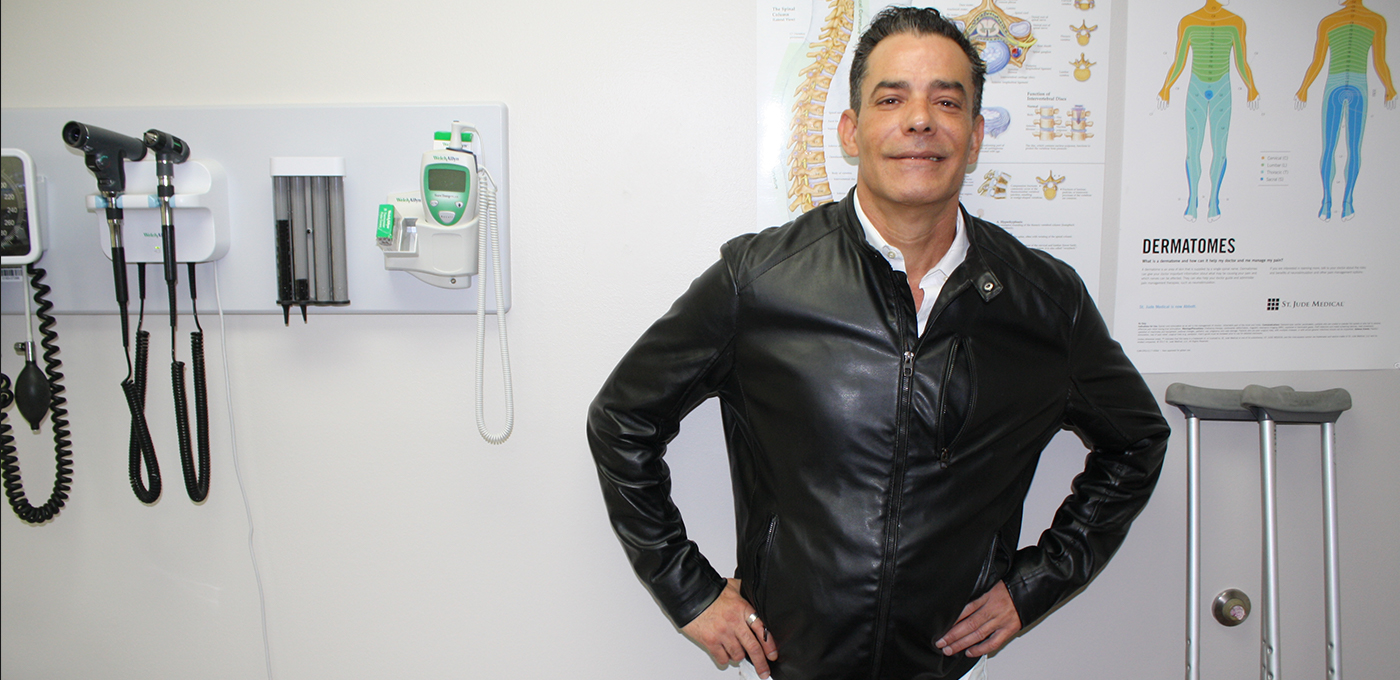
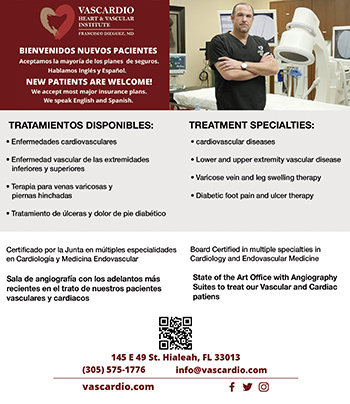
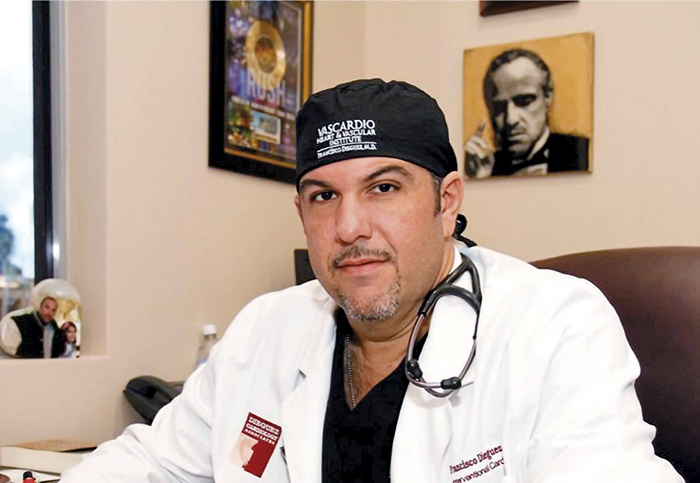
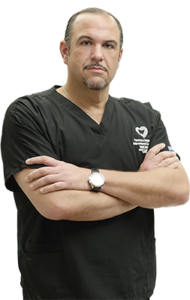
Led by cardiologist Francisco Dieguez, MD, Vascardio Heart and Vascular Institute is a cardiovascular practice and ambulatory surgical center in Hialeah, Florida, dedicated to preventing, diagnosing, and treating heart and vascular disease.
Founded on a vision of comprehensive, patient-centered care, Vascardio combines advanced diagnostics, minimally invasive procedures, and long-term disease management under one roof.
-What first inspired you to pursue cardiology, and what experiences have had the greatest influence on your approach to patient care throughout your career?
I was maybe 15 or 16 years old, and I always knew I wanted to be a doctor. So, I decided to volunteer at the Miami Heart Institute in the late 80s. And I remember a patient, a little old lady, practically dead. She was intubated. They were doing CPR. And the interventional cardiologist began doing a procedure, and they allowed me to see from a corner. The cardiologist was able to start her heart again. It was impressive. It was something that I couldn’t believe. After a week she was fine and they were able to discharge her. And that experience led me into cardiology.
-Vascardio Heart and Vascular Institute brings together consultations, diagnostics, and interventional procedures under one roof. What are the advantages of this integrated model for patients?
At the institute, we see the clinical part of medicine of cardiovascular patients. If they need certain studies like a stress test, an echocardiogram of the heart, a vascular ultrasound, we perform it. And then if they do need an intervention, we also do it. For example, people who have blocked off arteries, ulcerations in their legs, critical venous varicose veins, and venous disease. We just opened our Vascardia Ambulatory Surgical Center, where we are able to perform heart procedures like the one I described about that lady. We’re able to perform cardiac stenting and angioplasty. We’re also able to put cardiac pacemakers and defibrillators. We’re also able to do vascular work like fistula work. Our center is the most integrated cardiovascular center outside of a hospital setting in South Florida. There are two other surgical centers which perform these cardiac procedures, but they don’t have a clinic. Here we’ve integrated everything. And this is extremely convenient for the patients. They know the personnel. So, on top of the convenience medically, and obviously the safety and the standard that we’ve created here, it’s the psychological component, that they don’t have to go to a tertiary care center where they don’t know who’s there. That’s the comfort zone, the tranquility that you have when you walk in, harboring and being able to treat the patients, specifically the Latin-speaking patients.
 -What was the biggest challenge in making that vision a reality?
I’ve been practicing interventional cardiology for 19 years, and I always wanted to take care of many patients, but I was always limited. Yes, hospitals are necessary to take care of higher-risk patients. But the majority of our procedures aren’t patients who are critically sick. Some of these patients had to wait sometimes the whole day in the hospital waiting to undergo the intervention. And I thought there is a way that we could have a one-stop shop place where I can see my patients, conveniently do the procedures and the interventions in a very different atmosphere. But what was my biggest challenge? Back 13 years ago there were surgical centers, but there weren’t any surgical centers approved to perform interventions in the heart because Florida believed it was too much of a progressive idea and a noble idea. But with the advances in technology, with the minimal invasive interventions, we can do it now. We do it through the wrist. You don’t even see the scar. It’s kind of like a mosquito bite. You go in. We get what’s called a sheath and go up and take pictures of the heart artery. If we need to put a stent in the heart, we put it and the patient leaves two hours later. It’s incredible what technology can do today.
-What advice would you give to young physicians entering cardiology today?
It’s a different panorama now than when I came out in training 19 years ago. There was less restriction in reference to managed care patients. Back then, you could open up your doors, hang your cardiology logo, and patients would show up. Now it’s more difficult because you have to deal with the larger clinics. They’re the ones that really control the narrative in reference to referrals to patients, the large entities, the large insurance companies. So, my advice to any young cardiologist is to try to train in as much as possible. Try to learn, not only the interventional heart portion, but do a lot of vascular procedures. And nowadays there’s other cardiologists that are specializing in structural heart disease where they’re able to put heart valves in hearts. That is very attractive. My advice is to try to start as an employed physician. And if you really do have that desire to grow on your own, then pick a place where there isn’t much difficulty in opening up a freestanding cardiology practice because it’s difficult. I think the important thing is to have long-term vision of what you want to do.
-Looking ahead, what is your vision for the future of Vascardio Heart and Vascular Institute?
My vision is one of creating the best alternative to any hospital treatment facility from a cardiovascular standpoint. We are deeply committed to our specialty. We want to treat you in the best available way, with the most efficient, with the latest technology, but at the same time with a vision where we know your name, value your trust, and care for you as an individual. We want you to feel well. We want that personalized touch that everybody should have. And the vision I have in Vascardio is to create something that hasn’t been created here in South Florida and hopefully to use this type of blueprint to be able to create other centers which are going to be able to treat cardiovascular patients in a more concise, personalized, efficient, and holistic way.
Dr. Francisco Diéguez: “El centro cardiovascular más integrado fuera del entorno hospitalario”
Por Jesús Hernández
Dirigido por el cardiólogo Dr. Francisco Diéguez, Vascardio Heart and Vascular Institute es una práctica cardiovascular y centro quirúrgico ambulatorio ubicado en Hialeah, Florida, dedicado a la prevención, el diagnóstico y el tratamiento de las enfermedades del corazón y del sistema vascular.
Vascardio reúne bajo un mismo techo diagnósticos avanzados, procedimientos mínimamente invasivos y el manejo a largo plazo de enfermedades cardiovasculares.
—¿Qué fue lo que inicialmente lo inspiró a dedicarse a la cardiología y qué experiencias han tenido mayor influencia en su manera de atender a los pacientes a lo largo de su carrera?
Tenía unos 15 o 16 años y siempre supe que quería ser médico. Por eso decidí ser voluntario en el Miami Heart Institute a finales de la década de 1980. Recuerdo a una paciente, una anciana que estaba prácticamente muerta. Estaba intubada y le practicaban reanimación cardiopulmonar. Un cardiólogo intervencionista comenzó un procedimiento y me permitieron observar desde un rincón de la sala. El cardiólogo logró que su corazón volviera a latir. Fue algo impresionante, difícil de creer. Una semana después, la paciente estaba recuperada y pudo recibir el alta médica. Esa experiencia fue la que me llevó a dedicarme a la cardiología.
—Vascardio Heart and Vascular Institute reúne consultas, diagnósticos y procedimientos intervencionistas bajo un mismo techo. ¿Qué ventajas ofrece este modelo integrado para los pacientes?
En nuestro instituto atendemos la parte clínica de los pacientes. Si necesitan estudios como una prueba de esfuerzo, un ecocardiograma o un ultrasonido vascular, los realizamos aquí mismo. Y si posteriormente requieren una intervención, también podemos llevarla a cabo. Por ejemplo, tratamos pacientes con arterias obstruidas, úlceras en las piernas, várices venosas severas y enfermedades del sistema venoso. Acabamos de inaugurar Vascardio Ambulatory Surgical Center, donde podemos realizar procedimientos cardíacos como el que describí de la señora anteriormente. Estamos capacitados para colocar endoprótesis vasculares y realizar angioplastias. También implantamos marcapasos y desfibriladores cardíacos, además de realizar procedimientos vasculares, como la creación y reparación de fístulas. Nuestro centro es el complejo cardiovascular más integrado fuera del entorno hospitalario en el sur de Florida. Existen otros dos centros quirúrgicos que realizan este tipo de procedimientos cardíacos, pero ninguno cuenta con una clínica integrada. Aquí hemos reunido todos los servicios en un solo lugar. Esto representa una enorme comodidad para los pacientes. Conocen al personal, se sienten en confianza y, además de la conveniencia médica, la seguridad y los altos estándares que hemos establecido existe un componente psicológico muy importante: no tienen que acudir a un hospital donde no conocen a nadie. Esa tranquilidad, esa sensación de confianza es especialmente importante para los pacientes hispanohablantes.
—¿Cuál fue el mayor desafío para convertir esa visión en realidad?
Llevo 19 años ejerciendo la cardiología intervencionista y siempre quise atender a un mayor número de pacientes, pero las limitaciones eran muchas. Los hospitales son indispensables para tratar a pacientes de alto riesgo, pero la mayoría de nuestros procedimientos no corresponden a personas en estado crítico. Muchos pacientes tenían que esperar durante horas, e incluso todo el día, en el hospital para someterse a una intervención. Pensé que debía existir un lugar donde pudiera atenderlos en consulta y realizar sus procedimientos en un ambiente completamente diferente. ¿El mayor desafío? Hace 13 años ya existían centros quirúrgicos ambulatorios, pero ninguno estaba autorizado para realizar intervenciones cardíacas porque el estado de Florida consideraba que era una idea demasiado innovadora. Sin embargo, gracias a los avances tecnológicos y a las técnicas mínimamente invasivas, hoy es posible. Realizamos los procedimientos a través de la muñeca. Prácticamente no queda cicatriz; es como la picadura de un mosquito. Introducimos un conducto muy fino, avanzamos hasta las arterias coronarias y obtenemos las imágenes necesarias. Si es necesario colocar una endoprótesis vascular, lo hacemos y el paciente puede regresar a casa apenas dos horas después. Es increíble lo que la tecnología permite hacer hoy en día.
—¿Qué consejo daría a los jóvenes médicos que desean especializarse en cardiología?
El panorama es muy diferente al de hace 19 años, cuando terminé mi formación. En aquel entonces había menos restricciones. Bastaba con abrir una consulta, colocar el letrero de cardiología y los pacientes llegaban. Hoy es mucho más difícil porque hay que competir con grandes grupos médicos que controlan buena parte de las referencias de pacientes junto con las grandes compañías aseguradoras. Mi consejo para cualquier joven cardiólogo es que procure recibir la formación más amplia posible. Que no se limite a la cardiología intervencionista, sino que aprenda también procedimientos vasculares. Muchos cardiólogos se especializan en enfermedades estructurales del corazón, lo que les permite implantar válvulas cardíacas mediante técnicas mínimamente invasivas. Es un campo muy atractivo. También recomendaría comenzar la carrera como médico empleado. Y si realmente tiene el deseo de desarrollar una práctica independiente, elegir una zona donde sea más factible establecer una consulta privada, porque hoy en día no es sencillo. Lo más importante es tener una visión clara de largo plazo sobre lo que se quiere hacer.
—Mirando hacia el futuro, ¿cuál es su visión para Vascardio Heart and Vascular Institute?
Mi visión es ser la mejor alternativa a cualquier centro hospitalario para el tratamiento cardiovascular. Estamos profundamente comprometidos con nuestra especialidad. Queremos ofrecer la mejor atención disponible, con la mayor eficiencia y utilizando la tecnología más avanzada, pero sin perder el trato humano. Conocer a cada paciente por su nombre, valorar la confianza que deposita en nosotros y atenderlo como un individuo, no como un número. Queremos que nuestros pacientes se sientan bien y reciban esa atención personalizada que todos merecen. Mi visión para Vascardio es crear algo que todavía no existe en el sur de Florida y, con el tiempo, utilizar este modelo como referencia para desarrollar otros centros capaces de atender a pacientes cardiovasculares de una manera más precisa, personalizada, eficiente e integral.